Siemens washing machines offer innovative solutions for laundry care, as evidenced by user experiences with various models. From dishwashers to freezers,
Siemens appliances sometimes require troubleshooting, like addressing pump noises or filter cleaning, as highlighted in recent online discussions.
Welcome and Important Safety Information
Welcome! Congratulations on choosing a Siemens washing machine. We are confident it will provide years of reliable service. Before operating your new appliance, please carefully read this manual and retain it for future reference. Understanding these instructions is crucial for safe and efficient operation.
Safety First: To prevent potential hazards, always ensure the machine is properly grounded. Never attempt to repair the appliance yourself; contact a qualified technician for any servicing. Disconnect the power supply before cleaning or performing maintenance. Do not overload the machine, as this can affect performance and potentially cause damage. Keep children and pets away from the washing machine during operation.
Recent online discussions highlight potential issues like pump noises (SX65M001EU/01 model) and error codes (E24), emphasizing the importance of following safety guidelines. Always address any unusual sounds or error messages promptly. Improper use, as seen with filter cleaning difficulties, can lead to malfunctions. Prioritize safety to ensure a long and trouble-free experience with your Siemens washing machine.
Understanding Your Model Number & Series (IQ100, i-Dos, etc.)
Decoding Your Model: Your Siemens washing machine’s model number is key to identifying its specific features and accessing relevant support. It’s typically located on the inside of the door or on the rear of the appliance. Understanding the series – such as IQ100, i-Dos, or i-Sensoric – reveals the technology incorporated into your machine.
Series Breakdown: The IQ100 series represents Siemens’ entry-level models, offering essential washing programs. i-Dos models feature automatic detergent dispensing, optimizing usage and wash results. Higher-end i-Sensoric machines boast advanced sensors and connectivity features. Knowing your series helps pinpoint compatible accessories and troubleshooting resources.
Online discussions reveal model-specific issues, like the SX65M001EU/01 experiencing pump problems. Identifying your exact model allows you to find targeted solutions. Referencing your model number when seeking assistance ensures accurate advice. Siemens continually innovates, so understanding your machine’s generation is vital for maximizing its performance and lifespan.
Machine Overview & Components
Siemens washers integrate features like automatic dispensing (i-Dos) and sensor technology (i-Sensoric). Users sometimes encounter filter issues or pump noises, requiring component access for maintenance.
Front Panel Controls & Display Explanation
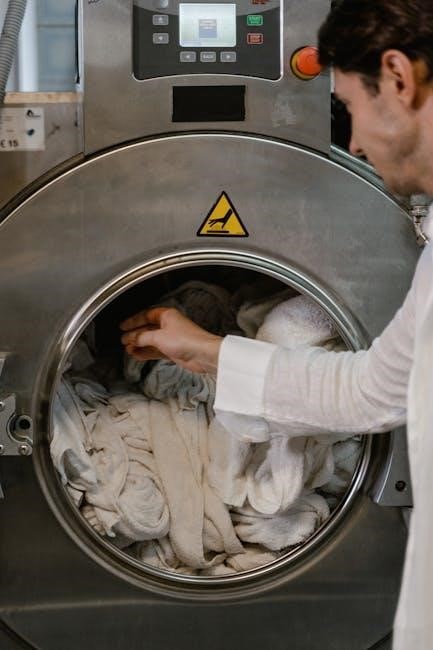
The Siemens washing machine’s front panel is your primary interface for controlling wash cycles and monitoring machine status. Typically, a central digital display showcases the remaining time, selected program, and any active modifications. A rotary dial or touch-sensitive buttons allow you to navigate through the available wash programs – Cotton, Delicates, Quick Wash, and more specialized options.
Additional buttons often include ‘Start/Pause’, ‘Temperature’ adjustment, ‘Spin Speed’ selection, and ‘Options’ for features like ‘EcoWash’ or ‘Stain Removal’. Indicator lights signal the progress of the wash cycle, alerting you to phases like washing, rinsing, and spinning. Error codes, such as ‘E24’ (often related to drainage issues, as seen in user reports), will also appear on the display, providing diagnostic information. Understanding these symbols and indicators is crucial for efficient operation. Some models feature a child lock function, activated via a button combination, preventing accidental program changes. Familiarize yourself with the specific layout and functions of your model for optimal use.
Detergent Drawer – Compartments & Usage
The Siemens washing machine detergent drawer is usually a multi-compartment system designed for precise detergent dispensing. Typically, it features three compartments. The first, marked with ‘I’ or a Roman numeral ‘I’, is for pre-wash detergent – use this only when selecting a wash program with a pre-wash cycle. The second compartment, usually marked with ‘II’ or ‘II’, is for the main wash detergent; this is where you’ll add your regular laundry detergent.
The third compartment, often symbolized with a flower or a star, is for fabric softener and rinse aid. Avoid overfilling any compartment, as this can lead to residue buildup and affect wash performance. If your model includes i-Dos automatic detergent dispensing (available on some series), follow the specific instructions for filling the i-Dos reservoir. Regularly cleaning the detergent drawer – as recommended in maintenance guides – prevents blockages and ensures optimal detergent distribution. Refer to your machine’s manual for specific compartment markings and usage guidelines.
Drum & Internal Features
The Siemens washing machine drum is engineered for gentle yet effective fabric care. Many models feature a VarioDrum design, possessing a unique drum structure with shallow ribs. This minimizes fabric friction, reducing wear and tear and enhancing wash results. Inside, you’ll find features like a heating element responsible for water temperature control, and a circulation pump that drives water flow throughout the wash cycle.
Pay attention to the drum’s spider arms, which support the drum and can sometimes accumulate small items like socks or coins. Regularly check for and remove any obstructions. The drum’s internal filter system, crucial for preventing drain blockages, requires periodic cleaning – a task often highlighted in user maintenance discussions. Some models also include features like a wave impeller or dynamic water inflow to optimize water usage and washing performance. Always ensure the drum is empty before starting a cycle to prevent damage.
Getting Started: Initial Setup
Before first use, carefully remove all transit bolts to prevent damage. Ensure the machine is level using adjustable feet, and properly connect the water supply and drain hose for optimal operation.
Removing Transit Bolts
Prior to operating your Siemens washing machine for the very first time, a crucial step is the complete removal of all transit bolts. These bolts, typically located on the rear of the appliance, are installed during manufacturing to secure the drum and prevent internal damage during transportation. Failure to remove these bolts will result in excessive vibration, loud noises, and potentially severe damage to the machine during the wash cycle.
Locate the brightly colored bolts – usually red or orange – on the back panel. Using the wrench provided with your washing machine, carefully unscrew and remove each bolt. Retain these bolts in a safe place; they may be required should you need to transport the machine in the future. After removing the bolts, cover the holes with the plastic caps also provided to maintain a clean and finished appearance. Double-check that all bolts are removed before proceeding to the next setup step. Ignoring this step can void your warranty and lead to costly repairs.
Leveling the Machine
Achieving a perfectly level washing machine is paramount for optimal performance and longevity. An uneven machine will experience excessive vibration, leading to noise, instability, and potential damage to both the appliance and your flooring. Siemens washing machines are equipped with adjustable feet to facilitate this crucial leveling process.
Using a spirit level, place it on top of the washing machine, checking for level in both directions – side-to-side and front-to-back. Rotate the adjustable feet at the base of the machine clockwise or counterclockwise until the bubble in the spirit level is centered. Continue this adjustment process until the machine is perfectly level in all directions. Ensure all feet are firmly in contact with the floor. Periodically re-check the leveling, as floors can settle over time. A stable, level machine ensures quiet operation and efficient washing cycles.
Connecting Water Supply & Drain Hose
Proper connection of the water supply and drain hose is essential for your Siemens washing machine to function correctly. Begin by attaching the supplied inlet hose to both the machine’s inlet valve and a suitable water tap, ensuring a tight, leak-proof connection. Use the provided rubber washers for a secure seal.
Next, position the drain hose into a standpipe or laundry sink, making sure it’s securely fastened to prevent dislodgement during operation. The hose should not be inserted too far into the standpipe, as this can cause siphoning. Avoid sharp bends or kinks in the hose, as these can restrict water flow. Regularly inspect both connections for leaks and ensure the hoses are not damaged. Addressing these connections correctly prevents water damage and ensures efficient drainage, contributing to the longevity of your appliance.
Understanding Wash Programs
Siemens washing machines feature diverse programs for varied fabrics and soil levels. Users discuss issues with appliance functionality, highlighting the importance of selecting the correct program for optimal cleaning results.
Cotton Program – Settings & Usage
The Cotton program on your Siemens washing machine is designed for robust, everyday cotton and linen items. It’s your go-to for items like t-shirts, bed linen, and towels. This program utilizes a higher wash temperature and more vigorous mechanical action to effectively remove dirt and stains from these durable fabrics.
Within the Cotton program, you’ll find adjustable settings to customize the wash cycle. Temperature can typically be adjusted from cold (30°C) up to 90°C, allowing you to select the appropriate heat level based on the fabric care label and the degree of soiling. Spin speed is another crucial setting, ranging from No Spin to maximum speed (typically 1400 or 1600 rpm). Higher spin speeds extract more water, reducing drying time, but can also increase wrinkling.
Consider using the stain removal option for heavily soiled items. Some Siemens models also offer a pre-wash function for exceptionally dirty laundry. Remember to consult the garment care label before selecting a high temperature or spin speed to avoid damaging your clothes. Online discussions reveal users sometimes encounter pump issues, so ensuring proper loading and avoiding overloading is key for optimal performance with the Cotton program.
Delicate/Silk Program – Gentle Washing
The Delicate/Silk program on your Siemens washing machine is specifically engineered for handling fragile fabrics like silk, lace, lingerie, and sheer materials. This program employs a significantly gentler wash action and lower temperatures to prevent damage, shrinking, or stretching of these sensitive items. It’s crucial for preserving the quality and longevity of your delicate wardrobe.
Typically, the Delicate/Silk program operates at a maximum temperature of 30°C or 40°C, utilizing a reduced spin speed or even a ‘No Spin’ option to minimize stress on the fabrics. Always use a liquid detergent formulated for delicate washes, as powders can leave residue. Consider placing delicate items inside a mesh laundry bag for added protection during the wash cycle.
Avoid overloading the machine when using this program, as overcrowding can hinder proper cleaning and increase the risk of damage. User feedback suggests occasional pump issues with Siemens machines, so ensuring the filter is clean before washing delicates is advisable. Remember to check garment care labels for specific washing instructions before selecting this program.
Quick Wash/Express Program – For Lightly Soiled Items
The Quick Wash/Express program on your Siemens washing machine is designed for efficiently cleaning lightly soiled laundry items; This program is ideal when you need fresh clothes in a hurry, offering a significantly reduced wash cycle duration – typically between 15 to 30 minutes. It’s perfect for refreshing garments worn briefly or items that require a quick clean.
While effective for lightly soiled loads, it’s important to note that the Quick Wash program utilizes higher spin speeds and may not provide the same level of deep cleaning as standard wash cycles. Use a smaller amount of detergent appropriate for shorter cycles and avoid overloading the machine to ensure optimal results.
Recent online discussions highlight potential pump issues in Siemens appliances; therefore, regularly checking the filter is recommended, even with quick washes. This program is not suitable for heavily stained or heavily soiled items. Always consult garment care labels before using the Quick Wash/Express program to avoid potential damage.
Using Special Features
Siemens washing machines boast features like i-Dos for automatic detergent dispensing and stain removal programs. Addressing potential issues, like pump noises or filter blockages, enhances usability.
i-Dos Automatic Detergent System (If Applicable)
If your Siemens washing machine is equipped with the i-Dos system, you’re benefiting from a remarkably convenient feature designed to optimize detergent usage. This intelligent system automatically measures the precise amount of liquid detergent needed for each wash load, based on factors like load size, fabric type, and soil level.
To utilize i-Dos, simply fill both the detergent reservoir (for liquid detergent) and the softener compartment (if desired). The machine will then handle the dispensing process automatically; Avoid using powder detergent with i-Dos, as it can cause blockages. Regularly check the detergent levels and refill as needed.
Users have occasionally reported issues with pump noises or filter blockages in Siemens appliances, but these are generally unrelated to the i-Dos system itself. Maintaining a clean filter and ensuring proper water supply are crucial for optimal performance. The i-Dos system contributes to efficient washing and reduces detergent waste, aligning with energy-saving practices.
Stain Removal Program – Targeting Specific Stains
Many Siemens washing machines feature dedicated stain removal programs designed to tackle stubborn marks effectively. These programs utilize optimized wash cycles, water temperatures, and agitation levels to lift and remove common stains like grease, grass, blood, and chocolate. Before activating the stain removal program, pre-treat the stained area with a suitable stain remover for enhanced results.
Consult your machine’s manual to identify the specific stain types the program is best suited for. Some models allow you to select the stain type directly, further customizing the wash cycle. Remember to avoid overloading the machine, as this can hinder the stain removal process;
Like other Siemens appliances, occasional issues such as pump noises or filter blockages can occur, but are generally unrelated to the stain removal program. Regular maintenance, including filter cleaning, ensures optimal performance. Utilizing the stain removal program effectively can prolong the life of your garments and maintain their appearance.
EcoWash Program – Energy Saving Options
Siemens washing machines prioritize energy efficiency, and the EcoWash program is a key feature in achieving this goal. This program utilizes lower water temperatures and extended wash cycles to minimize energy consumption while still delivering effective cleaning results. It’s ideal for lightly soiled laundry and contributes to reduced utility bills and a smaller environmental footprint.
The EcoWash program often adjusts the spin speed to further conserve energy. While the cycle duration is longer compared to standard washes, the energy savings are significant. Like other Siemens appliances, maintaining optimal performance requires occasional maintenance, such as cleaning the detergent drawer and filter.
Users experiencing issues with their Siemens appliances, like pump noises or filter blockages, should consult the manual or seek professional assistance. Choosing the EcoWash program demonstrates a commitment to sustainable laundry practices and responsible resource management.
Troubleshooting Common Issues
Addressing problems like error codes (e.g., E24), drainage issues, or water filling failures is crucial. Online forums detail pump problems and filter cleaning, aiding quick resolutions.
Error Codes & Their Meanings (E24, etc.)
Siemens washing machines utilize error codes to diagnose internal issues, providing valuable clues for troubleshooting. An example frequently discussed online is the “E24” error, often indicating a problem with the drain pump. This could stem from a blockage in the pump filter, a kinked drain hose, or a faulty pump itself. Users have reported that after using cleaning tablets, the pump may begin to make noises and display this error, even if the program completes.
Other error codes exist, each signaling a specific malfunction. While a comprehensive list is available in your machine’s manual, understanding the general principle is helpful. Regularly checking and cleaning the pump filter is preventative maintenance. If the error persists after filter cleaning and hose inspection, professional service may be required. Ignoring error codes can lead to more significant damage, so prompt attention is advised. Remember to always disconnect the machine from the power supply before attempting any repairs or inspections.
Machine Not Draining – Possible Causes & Solutions
If your Siemens washing machine isn’t draining, several factors could be at play. A common culprit is a blocked drain filter, easily accessible (though sometimes requiring effort, as noted in user forums) for cleaning. Ensure the drain hose isn’t kinked or obstructed, and that it’s correctly positioned in the standpipe. A partially or fully clogged drain pump can also prevent proper water removal, potentially triggering an E24 error code;
Before calling a technician, attempt to manually drain any remaining water from the drum. Check for foreign objects – coins, buttons, etc. – lodged within the pump housing. If the issue persists after these checks, the pump itself might be faulty and require replacement. Remember safety first: disconnect the power supply before any inspection or manual draining. Online discussions highlight the importance of regular filter cleaning to prevent these issues.
Machine Not Filling with Water – Troubleshooting Steps
When your Siemens washing machine fails to fill with water, begin by verifying the water supply. Ensure both the hot and cold water taps are fully open and that the inlet hoses aren’t kinked or twisted. Check the water pressure; insufficient pressure can prevent proper filling. Inspect the inlet valves – these control water flow into the machine – for any blockages or damage. A faulty inlet valve may need replacement.
User reports suggest checking for frozen inlet hoses during colder months. If the water supply seems adequate, examine the mesh filters located within the inlet valves themselves; these can become clogged with sediment over time. Disconnect the power before cleaning these filters. If none of these steps resolve the issue, a problem with the machine’s control module might be present, requiring professional diagnosis.

Maintenance & Cleaning
Regular cleaning extends your Siemens washing machine’s lifespan. Users report issues like pump noises and filter blockages, emphasizing the need for consistent maintenance, including drawer and drum cleaning.
Cleaning the Detergent Drawer
The detergent drawer in your Siemens washing machine requires regular cleaning to prevent residue buildup and ensure optimal performance. Over time, detergent and fabric softener can accumulate, leading to clogs and potentially affecting wash results. To remove the drawer, typically you’ll find a release button or lever within the dispenser housing – consult your specific model’s manual for precise instructions.
Once removed, disassemble the drawer components. Soak the parts in warm, soapy water for approximately 30 minutes to loosen any hardened residue. Use a small brush, like an old toothbrush, to scrub away any remaining detergent or softener deposits from all compartments and nozzles. Pay particular attention to the fabric softener compartment, as this often accumulates the most buildup.
Rinse the drawer components thoroughly under running water, ensuring all traces of soap are removed. Inspect the housing within the washing machine where the drawer slides in, and clean this area as well. Finally, allow all parts to dry completely before reassembling and reinserting the detergent drawer into the machine. Regular cleaning, ideally monthly, will help maintain your Siemens washing machine’s efficiency and hygiene.
Cleaning the Drum – Regular Maintenance
Maintaining a clean washing machine drum is crucial for preventing odors, mold growth, and ensuring optimal washing performance. While modern Siemens washing machines often have self-cleaning cycles, supplemental cleaning is still recommended. Regularly running a high-temperature wash cycle (90°C or the highest setting your machine allows) with a washing machine cleaner is highly effective.
Alternatively, you can use a solution of white vinegar and baking soda. Pour two cups of white vinegar into the detergent compartment and add one-quarter cup of baking soda directly into the drum. Run an empty wash cycle on the longest, hottest setting. This helps to dissolve residue and eliminate lingering smells.
After the cycle completes, wipe down the drum interior with a clean, damp cloth. Pay attention to the rubber door seal, carefully cleaning any mold or mildew that may accumulate there. Leaving the door slightly ajar after each wash allows for proper ventilation, preventing moisture buildup and reducing the risk of unpleasant odors. Consistent drum cleaning contributes to the longevity and hygiene of your Siemens washing machine.
Cleaning the Filter – Location & Procedure
The filter in your Siemens washing machine is designed to catch lint, debris, and small objects, preventing them from damaging the pump. Its location varies by model, but it’s typically found behind a small access panel at the bottom front of the machine. Consult your specific model’s manual for precise location details.
Before cleaning, ensure the machine is switched off and unplugged. Place a shallow container and towels underneath the access panel to catch any spilled water. Carefully open the panel and unscrew the filter cap – be prepared for water to flow out. Remove the filter and thoroughly clean it under running water, removing all accumulated debris.
Inspect the filter housing for any obstructions and clear them out. Reinstall the filter, ensuring it’s securely tightened. Close the access panel. Regular filter cleaning (every 1-3 months, depending on usage) prevents blockages, maintains drainage efficiency, and avoids potential error codes like E24, as reported by some users experiencing pump issues.