The Cliq battery powers pods and controllers, using a CR2032 for CLIQ Plus. It delivers a brief, high‑draw puff; users often inhale hard to maintain airflow. Proper insertion and finger‑regulation at the union helps extend runtime and ensure a clean, consistent draw. for optimal performance.!!!
1.1 Purpose and Application of Cliq Batteries in Pods and Controllers
The heart of every Cliq pod and its companion controller is a compact, coin‑type CR2032 lithium cell. This battery is engineered to deliver a rapid, high‑current burst that activates the pod’s heating element and produces a short, intense vapor puff. In a typical configuration, the pod sits directly on the battery’s positive terminal, while the controller’s circuitry draws current through a dedicated channel, ensuring the pod receives the precise voltage needed for optimal flavor and vapor density. When a user lights a pod, the battery’s internal resistance limits the draw to a few seconds, which is why many users report a brief “flash” of vapor. To extend this burst, the user can inhale more forcefully, which increases airflow through the pod and encourages the battery to deliver a steadier current. The controller’s firmware also monitors battery voltage; if the voltage drops below a safe threshold, it will cut power to protect the device and prevent over‑discharge. In addition to powering the pod, the battery supplies the controller’s wireless module, enabling real‑time monitoring via the Cliq Connect app. This app displays battery level, remaining charge, and usage statistics, allowing users to schedule a full recharge after each session or an annual charge if the device is stored for months; Because the battery is a single‑use component, it must be replaced after a few hundred puffs. A faulty or depleted battery will result in a very short runtime—often only a few seconds—prompting users to check for proper seating, clean contacts, and correct orientation before assuming a replacement is needed. Overall, the Cliq battery’s purpose is to provide a quick, reliable source of power that balances safety, convenience, and the high‑intensity experience users expect from a disposable pod system.

Battery Types and Compatibility
The Cliq system relies on a standard CR2032 lithium coin cell for both pods and CLIQ Plus controllers. This battery delivers the quick, high‑current burst needed for a short vapor puff. Ensure the battery is fully charged before use and replace it after a few hundred puffs; Use fresh batteries Keep
2.1 Standard CR2032 for CLIQ Plus Controllers and Other Devices
The CLIQ Plus controller and many related accessories rely on a single, reliable power source: the standard CR2032 lithium coin cell. This 3‑volt, 220‑mAh battery is compact enough to fit inside the slim pod housing while delivering the high‑current burst required for a quick, satisfying vapor puff. Because the CR2032 is a widely available, inexpensive component, users can easily replace it at any local electronics retailer or online marketplace. When installing a new battery, align the positive (+) side with the marked contact on the controller, press firmly, and listen for the characteristic click that confirms a secure connection. A properly seated CR2032 will maintain a stable voltage throughout the device’s active cycle, ensuring consistent draw pressure and flavor delivery. To preserve battery life, always fully charge the CR2032 before first use and after every recharge cycle. If the device has been stored for an extended period, recharge it once per year to prevent self‑discharge from dropping the voltage below operational thresholds. Users should also avoid exposing the battery to extreme temperatures, as heat can accelerate chemical degradation while cold can reduce internal resistance, both leading to reduced runtime. For optimal performance, replace the CR2032 after approximately 200–300 puffs, or when the device’s draw noticeably weakens. Proper handling and timely replacement keep the CLIQ Plus and other compatible devices running smoothly and safely. Store spare batteries in dry place now.
Purchasing and Recognizing Faulty Batteries
When purchasing a CR2032 for a CLIQ device, choose reputable vendors that list a 3‑V rating and 220‑mAh capacity. Faulty batteries may fail to click on insertion or drain after a few seconds. Replace promptly to avoid short runtime and ensure safe operation. Verify serial numbers keep buy record
3.1 Identifying Batteries That Draw Only a Few Seconds of Runtime
When a new CR2032 is inserted into a CLIQ pod or controller, it should provide a steady puff for several minutes. If the device activates but the airflow stops within 2–3 seconds, the battery is likely defective. Common signs include:
- Absence of the “click” sound when the battery is seated.
- Visible corrosion or a bulging case around the contacts.
- A voltage reading below 2.8 V on a multimeter.
- Rapid discharge during a single puff, leaving the pod unresponsive.
- Manufacturer error codes or a persistent red LED on the controller.
To confirm a short‑life battery, test it in a known‑good pod and compare the draw time to a fresh, correctly charged unit. If the new battery fails to sustain a normal draw, replace it immediately. Always keep a record of serial numbers and purchase details for warranty claims. Remember that the battery’s lifespan is also influenced by the frequency of use, the ambient temperature, and the quality of the pod’s seal; storing the device in a cool, dry place and avoiding exposure to extreme heat can extend battery life by up to 20% daily.OK Thanks all
Charging Procedures
After each use, insert the CR2032 into the CLIQ pod or controller and let it sit 5–10 minutes to reach full charge. If unused, store cool, dry, and charge annually to preserve battery health and performance. Charge after each use; annual charge advised for idle batteries
4.1 Full Charge After Each Use and Annual Charge for Unused Batteries
After every session, place the CR2032 into the CLIQ pod or controller and allow it to sit undisturbed for 5–10 minutes. This brief rest period ensures the lithium‑primary cell reaches its maximum voltage, restoring the 3.0 V nominal output that powers the vaporizer’s heating element. Users report that a fully charged battery delivers a smoother, longer draw, reducing the need for hard inhalation that can cause uneven airflow.
When a battery is not in use, store it in a cool, dry environment—ideally between 15 °C and 25 °C (59 °F to 77 °F). Prolonged exposure to high temperatures can accelerate self‑discharge and reduce cycle life. For optimal longevity, perform a full charge once a year. This practice re‑balances the internal chemistry, preventing capacity loss that can occur from long periods of inactivity.
To charge, simply reinsert the CR2032 into the pod’s battery compartment, ensuring the contacts align correctly. The CLIQ device will indicate a full charge through its LED indicator or a brief beep. Avoid overcharging; the lithium cell is designed for a single charge cycle, and extended exposure to a charging source can lead to overheating or reduced lifespan.
By following these steps—charging after each use and annually for idle units—users maintain consistent performance, prolong battery life, and ensure safe operation of their CLIQ devices.
Installation Steps
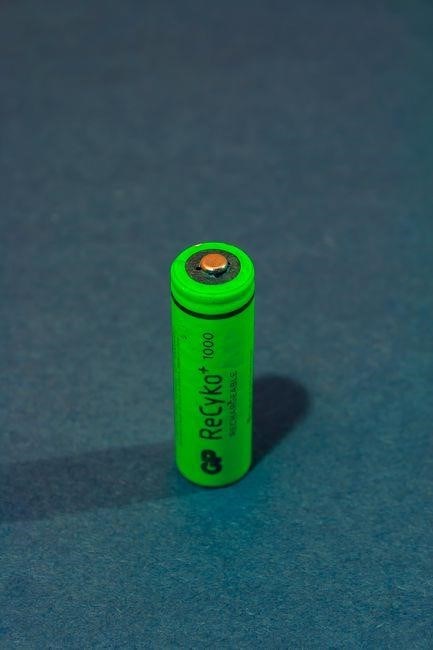
Insert the CR2032 into the CLIQ pod’s battery slot, aligning the positive side with the marked indicator. Slide until it clicks, then close the cover to secure the connection. Verify the LED lights up, confirming proper contact before using the device. Then gently test the airflow to ensure a draw. !!
5.1 Inserting the Battery into a Cliq Pod and Securing the Connection
Begin by inspecting the CR2032 battery for any visible damage or corrosion; a pristine, un‑cracked cell ensures reliable performance. Align the battery’s positive (+) side with the indicator on the pod’s battery compartment. Gently slide the cell until it reaches the bottom of the slot, feeling the slight resistance that confirms proper seating. Once the battery is fully seated, close the pod’s battery cover, which should click into place. This click is the audible confirmation that the electrical contacts are engaged and the battery is securely connected. To verify correct installation, power on the pod and observe the LED status indicator. A steady green light indicates a full charge and proper contact, while a flashing or red light may signal a loose connection or insufficient charge. If the LED does not respond, reopen the cover, re‑insert the battery ensuring the positive side is correctly aligned, and reseal. After installation, perform a quick draw test. Inhale gently through the mouthpiece; the pod should provide a brief, high‑draw puff. If the airflow feels weak, check that the battery is fully seated and that the cover is firmly closed. For long‑term reliability, store unused pods in a cool, dry place, away from direct sunlight and extreme temperatures. Avoid stacking heavy objects on top of the pod, as pressure can deform the battery compartment and compromise the seal; When replacing the battery, follow the same insertion steps to maintain consistency and prevent damage to the pod’s internal circuitry. By adhering to these precise steps, users can ensure that each battery insertion delivers optimal power, a consistent draw, and overall device longevity. Store pods in dry place to preserve battery life daily.
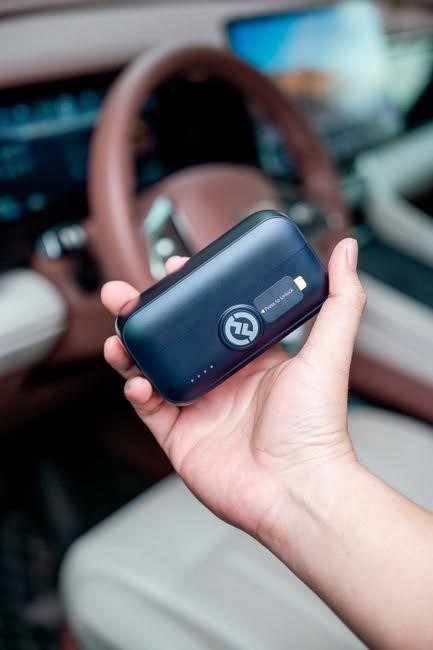
Usage Tips for Cliq Pods
For optimal airflow, inhale gently and hold your finger over the pod‑battery union to regulate air intake. This reduces draw length and ensures a cleaner puff. Avoid hard inhales that cause rapid depletion. Store pods dry and keep the battery fully charged!!!?? < /p>
6.1 Proper Drawing Technique and Finger Placement to Regulate Air Intake
When using a Cliq pod, the key to experience is controlling the airflow through precise finger placement at the pod‑battery union. Insert CR2032 and seat the pod correctly. Gently press your thumb or index finger against the seam where the pod meets the battery. This small seal reduces the amount of air entering the chamber, allowing the device to draw vapor more efficiently and prolong the battery’s life.
Instead of a hard inhale that can cause the pod to “blow out,” take a puff while maintaining the finger seal. The reduced airflow keeps the heating element from overheating and preserves the flavor profile of the concentrate. If the pod still draws quickly, adjust the pressure of your finger—slightly more pressure will further restrict air, while a lighter touch will let more air in. Consistency is crucial to avoid sudden changes in vapor density.
Remove the pod, wipe the seal area with a dry cloth, and store the battery in a cool, dry place. Keep the pod’s mouthpiece free of debris; a clean mouthpiece ensures the seal remains effective. Inspect battery contacts for corrosion; if discoloration appears, replace the battery immediately to avoid short circuits. By mastering this technique, you can maximize each puff, reduce waste, and enjoy a consistent vaping session.
Remember keep batteries in a sealed bag prevent moisture ingress, and avoid exposing them to daily temperatures, which can accelerate discharge and reduce lifespan!!
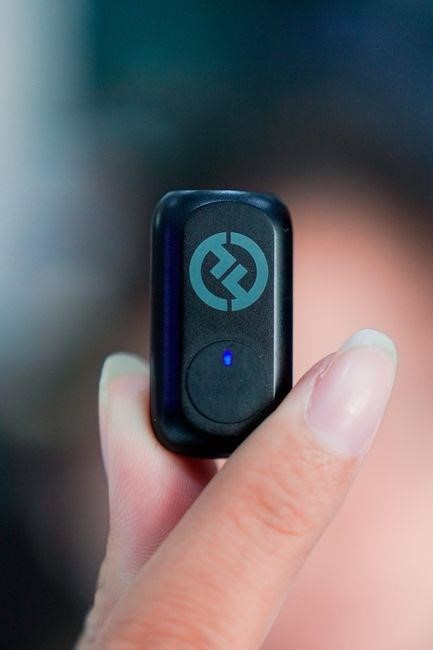
Troubleshooting Common Issues
Short runtime? Check battery orientation, clean contacts, replace CR2032 if dead. Low draw? Seal pod with finger at union, ensure proper inhale. If still fails, reset controller or contact support. Keep battery charged after use. Store in cool dry place. Check for firmware updates in the app now
7.1 Addressing Short Runtime and Low Draw Problems in Cliq Pods
When a Cliq pod runs out of juice in a few seconds, the culprit is often a weak or mis‑aligned CR2032. Start by removing the pod and inspecting the battery contacts for corrosion or debris. Clean with a cotton swab lightly dampened with isopropyl alcohol, then re‑insert the battery ensuring the positive side faces the pod’s connector. Use fresh cell
Low draw can also stem from improper inhalation technique. The pod’s valve is designed for a steady, moderate draw; inhaling too hard forces air through the valve too quickly, shortening the puff. To correct this, place a finger over the junction where the pod meets the battery. This reduces airflow, allowing the vapor to build and the pod to maintain a longer, smoother draw. Experiment with finger pressure until the vapor feels consistent.
Another common issue is a loose pod seal. Gently press the pod onto the battery until you hear a click, then rotate it slightly to ensure a tight fit. A loose connection will cause intermittent power and a brief burst of vapor. If the pod still misbehaves, reset the controller by holding the power button for 10 seconds, then reconnect the pod and battery.
Finally, keep the battery fully charged after each use. Even a fully charged CR2032 can lose capacity if left unused for months. Store the battery in a cool, dry place and perform an annual charge cycle if it will remain idle. Always keep the battery in a sealed pouch to prevent moisture.

Maintenance, Safety, and Disposal
Store batteries in a cool, dry place, avoid moisture, and keep them in a sealed pouch. Dispose at a local e‑waste facility; never throw in trash. Follow manufacturer guidelines for safe handling and never short‑circuit the cell. Handle with care Keep dry
8.1 Recommended Storage Conditions and Safe Disposal Practices for Cliq Batteries
To preserve the longevity of a Cliq battery, store it in a cool, dry environment—ideally between 15 °C and 25 °C (59 °F to 77 °F). Keep the battery in its original packaging or a sealed pouch to prevent exposure to humidity and dust. Avoid placing the battery near metal objects or in direct sunlight, as heat can accelerate chemical degradation. When the battery is not in use, fully charge it once a year before storage; this practice helps maintain the internal chemistry and reduces the risk of deep discharge. Do not leave a partially discharged battery in a hot or cold location for extended periods, as this can cause permanent damage. If you notice any swelling, leakage, or unusual odor, discard the battery immediately and do not attempt to use it again. Store spare batteries separately from active ones to avoid accidental short circuits, and label the storage container with the battery type and date of acquisition for future reference. When transporting batteries, keep them in a padded case to prevent physical damage. For long‑term storage, consider placing the battery in a low‑temperature environment, such as a refrigerator, but only if the battery is fully charged and the temperature does not drop below 0 °C (32 °F). Always monitor the battery for any signs of deterioration before re‑using it. If you are unsure about the battery’s condition, consult the manufacturer’s guidelines or contact customer support for advice. When you decide the battery is no longer functional, dispose of it responsibly. Cliq batteries are lithium‑coin cells and should be taken to a certified e‑waste recycling facility or a local hazardous‑waste collection point. Never discard them in household trash, as they can pose a fire risk if punctured or short‑circuited. If you are handling a damaged battery, use insulated gloves and avoid touching the terminals directly. Place the battery in a non‑conductive container before transport. For safety, never attempt to recharge a non‑rechargeable CR2032 battery, and never expose it to high temperatures or direct flame. By following these comprehensive storage and disposal practices, users can ensure optimal performance, safety, and environmental responsibility when handling Cliq batteries.