Goldilocks and the Three Bears: Classic Story Overview
Goldilocks and the Three Bears pdf presents the timeless tale of a curious girl who enters a bear family’s home, testing chairs, beds, and porridge. The story highlights themes of curiosity, respect, and consequence, making it a beloved classic for readers of all ages. Its charming narrative invites empathy and responsibility for al
The Origin and Evolution of the Tale
Goldilocks and the Three Bears pdf traces its roots to 19th‑century folklore, first recorded by author Robert Southey in 1837 as “Goldilocks and the Three Bears;” The story evolved through oral tradition, regional variations, and literary adaptations, each adding nuance to the original plot. Early prints in the 1840s and 1850s featured moral lessons about obedience and respect for property. By the early 20th century, the tale was popularized in children’s books, picture books, and early animation, with illustrators like Walter Crane and later, Walt Disney, shaping the visual iconography. The narrative’s core themes—curiosity, consequence, and family dynamics—remained consistent, while details such as the type of porridge, the number of chairs, and the bears’ personalities shifted to suit contemporary audiences. In the digital age, pdf versions of the story have become widely available, allowing educators and parents to access the classic narrative in a convenient format. The evolution of the tale reflects broader cultural shifts, from Victorian moralism to modern emphasis on individuality and empathy. The tale’s adaptability is evident in its numerous retellings across cultures, each version preserving the central conflict while infusing local customs. In some Eastern European renditions, the bears are replaced by wolves or foxes, and the porridge is substituted with local staples. The story has also inspired theatrical productions, radio dramas, and interactive digital games, each medium offering new interpretive angles. Scholars note that the narrative’s simplicity allows it to be a vehicle for discussions on ethics, gender roles, and the concept of home. Its enduring popularity is a testament to its flexible structure and the universal appeal of its moral lessons. Moreover, the story’s presence in educational curricula worldwide underscores its pedagogical value, as teachers employ it to illustrate narrative structure, character development, and moral reasoning. Its simplicity and flexibility continue to inspire new adaptations, ensuring that the pdf edition remains a staple in libraries, classrooms, and homes for generations to come.

Availability of the Story in PDF Format
Goldilocks and the Three Bears pdf can be found on numerous digital platforms, ranging from public domain repositories to commercial e‑book vendors. The classic tale, now in the public domain, is freely downloadable from sites such as Project Gutenberg, Internet Archive, and Google Books, where users can obtain a high‑resolution PDF that preserves the original illustrations and layout. In addition, many libraries offer a PDF version through their digital lending services, accessible via OverDrive, Libby, or Hoopla, allowing patrons to borrow the file for a limited period. For those seeking a more polished edition, publishers like Penguin Random House and HarperCollins provide professionally edited PDFs that include updated typography, color‑enhanced images, and supplemental educational materials. These versions are typically available for purchase on Amazon Kindle, Apple Books, and other e‑book marketplaces, with options for single‑purchase or subscription access. Open‑source platforms such as Open Library and the Gutenberg‑Project also host community‑curated PDFs, often enriched with annotations and discussion threads. Users can contribute translations, annotations, or alternative illustrations, thereby expanding the accessibility of the story across languages and cultures. Moreover, educational institutions frequently host the PDF on their own intranet or learning management systems, ensuring that students can download the file for offline study. The widespread availability of Goldilocks and the Three Bears pdf reflects the enduring popularity of the narrative and the growing demand for digital formats that combine convenience, accessibility, and high‑quality reproduction. Whether for casual reading, classroom instruction, or personal enrichment, the PDF format offers a versatile medium that preserves the charm of the original while meeting modern expectations for portability and interactivity.
In addition, the PDF format supports interactive features such as embedded hyperlinks, search functionality, and educator‑added annotations. Now.!.
Copyright Status and Public Domain Information
Goldilocks and the Three Bears pdf is a classic story that entered the domain long before the modern digital age. The original tale, first published in 1837 by Robert Southey and later adapted by the Brothers Grimm, is now in the public domain, meaning that anyone may reproduce, distribute, or modify the text without seeking permission or paying royalties. This status applies to the core narrative and the original illustrations that were included in early editions. However, modern adaptations, such as new illustrations, retellings, or added educational commentary, may still be subject to copyright protection. When accessing a pdf of the story, it is essential that the specific edition is indeed in the public domain. Reputable sources such as Project Gutenberg, Internet Archive, and the Library of Congress provide versions that have been confirmed as public domain. These platforms typically include a copyright statement or a note indicating that the work is free to use; Conversely, PDFs obtained from commercial vendors may contain newer illustrations or editorial content that are still under copyright. In such cases, the pdf may be licensed for personal use only, and redistribution may be prohibited. For educators and librarians, it is advisable to use the public domain versions for classroom activities, ensuring compliance with copyright law. If a user wishes to incorporate a modern illustration or a new translation, they must obtain the appropriate license or permission from the copyright holder. Tools such as the Public Domain Review and the U.S. Copyright Office’s database can help confirm the status of a particular edition. Ultimately, the public domain status of Goldilocks and the Three Bears pdf allows for widespread sharing and adaptation, fostering creativity and accessibility for readers worldwide

Educational Applications of the PDF Edition
Goldilocks and the Three Bears pdf is a versatile teaching tool for K‑12. In kindergarten and first‑grade, the story’s clear arc and illustrations support emergent literacy by reinforcing phonemic awareness, decoding, and comprehension. Teachers read aloud, pause to highlight key plot points, and ask predictive questions that encourage young learners to think critically about cause and effect. In middle‑grade, the pdf lends itself to literature‑circle activities where students compare editions, analyze character motivations, and discuss moral lessons such as respect and responsibility. Digital annotation tools allow students to highlight passages, add margin notes, and collaborate on shared documents, fostering digital literacy. In language arts, the pdf supports vocabulary building, writing prompts, and creative retellings. Students may rewrite the ending, create alternate scenarios, or compose illustrations, practicing narrative structure and artistic expression. The pdf’s accessibility features—adjustable font sizes, text‑to‑speech compatibility, and screen‑reader friendliness—make it inclusive for students with visual impairments or reading difficulties. In social studies, the tale offers a lens to examine cultural storytelling traditions, the evolution of folk narratives, and the role of oral history in preserving community values. Teachers guide discussions on how the story reflects 19th‑century norms and how modern adaptations reinterpret these themes. The pdf also supports interdisciplinary projects combining reading with science by exploring bear biology, or with math by analyzing the proportions of “big,” “medium,” and “small” items. Assessment strategies include exit tickets, reflective journals, or digital quizzes that test comprehension and analytical skills. Students can also create digital storybooks, enhancing media literacy and collaborative skills, fostering engagement; Overall, the Goldilocks and the Three Bears pdf provides a flexible, engaging platform aligning with curriculum standards, promoting inclusive education, and encouraging creative exploration across subjects.

Translations and International Versions
Goldilocks and the Three Bears pdf has become a global educational staple, with translations spanning more than thirty languages. The Spanish edition, “Goldilocks y los Tres Osos,” is available on Project Gutenberg, while the French version, “Goldilocks et les Trois Ours,” can be downloaded from Gallica. German readers turn to “Goldilocks und die drei Bären” on the Deutsche Digitale Bibliothek, and Russian speakers find “Золушка и три медведя” on the Russian State Library’s portal. In East Asia, the Japanese edition, “,” is hosted by the National Diet Library, and the Chinese translation, “,” appears on the China National Knowledge Infrastructure. Each translation retains the core narrative but adapts cultural references; for example, the porridge scene is sometimes replaced with local staples such as rice porridge in Asian versions or bread in Nordic editions. Scholars observe that the moral about respecting others’ property resonates across cultures, making the story a frequent choice in comparative literature courses. Many of these PDFs are freely downloadable under public‑domain status, enabling educators to incorporate them into multilingual curricula. Community‑generated translations on platforms like Wikisource offer user‑edited versions that reflect regional dialects, providing authentic linguistic exposure. The availability of these PDFs supports language‑learning objectives, allowing students to compare narrative structures and idiomatic expressions side by side. By integrating these translations into classroom activities, teachers can foster cross‑cultural understanding and promote global literacy skills. In addition, audio‑visual adaptations accompany many PDFs, such as narrated Spanish and French versions, which benefit students with reading difficulties. Some PDFs include interactive glossaries and embedded quizzes, enhancing comprehension. The inclusion of multimedia elements demonstrates how digital formats can enrich traditional literature, making it more accessible to diverse learners. Consequently, the Goldilocks and the Three Bears pdf serves not only as a literary artifact but also as a dynamic educational resource that transcends linguistic barriers.!!! :)?
Digital Libraries and Online Platforms Hosting PDFs
Goldilocks and the Three Bears pdf can be found on several reputable digital libraries. Project Gutenberg hosts a public‑domain PDF that is freely downloadable and includes a plain‑text version for accessibility. The Internet Archive offers a scanned copy from the 1912 edition, complete with original illustrations, and allows users to view the file in a browser or download it in PDF format; Google Books hosts a preview of the 1932 edition, which can be downloaded as a PDF after a short registration. The Open Library provides a link to the PDF through its borrowing system, enabling temporary access for library members. Many university repositories, such as the Harvard DASH and the Yale University Library, have digitized copies of the story as part of their folklore collections, and these PDFs are available for download after a simple authentication process. In addition, the National Library of Australia hosts a PDF of the Australian edition, which includes a unique introduction by a local folklorist. The European Digital Library (Europeana) aggregates PDFs from national libraries across Europe, and the story is available in several languages. Finally, the World Digital Library offers a multilingual PDF that includes high‑resolution images of the original illustrations. All of these platforms provide a convenient way for educators, students, and casual readers to access the classic tale in PDF format, ensuring that the story remains widely available and easily shareable across the globe. The PDFs are often accompanied by metadata that lists the publication year, author, and edition details, which assists researchers in citation; Some platforms also provide downloadable EPUB and MOBI versions for e‑readers. Users can also contribute annotations or translations directly on the platform, fostering collaborative scholarship. Because the PDFs are stored in secure servers, they are protected against unauthorized distribution while still allowing legitimate use for educational purposes. The digital libraries also offer search tools that let users locate specific passages or characters within the text, making it easier to reference the story in academic work. Overall, the availability of Goldilocks and the Three Bears pdf across multiple digital libraries ensures that the tale remains accessible to a global audience, preserving its cultural significance for future generations.

Community Engagement and User-Generated Content
Goldilocks and the Three Bears pdf sparks community engagement through forums, fan art, and remix projects. Readers upload annotated PDFs, create alternate endings, and share translations on platforms like Scribd and Reddit. These user‑generated contributions enrich the story’s legacy and keep it evolving. and shared story maps. for all ages!
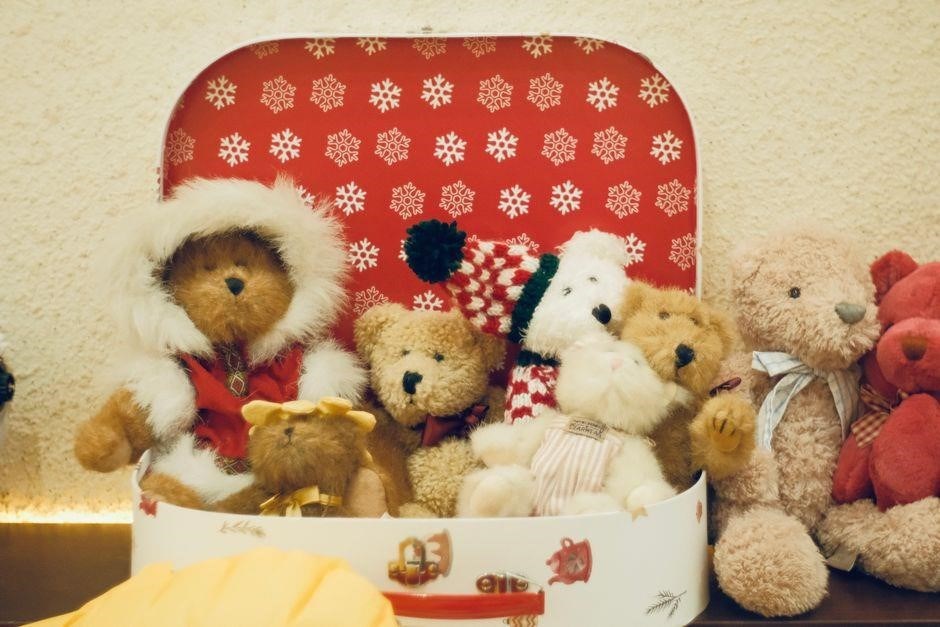
Major PDF Hosting Platforms
Goldilocks and the Three Bears pdf is widely available on several major PDF hosting platforms. Project Gutenberg offers a free, downloadable version that is fully in the public domain, allowing users to view or print the text without restriction. The Internet Archive hosts a scanned copy from a 1912 edition, complete with original illustrations, and provides options to download the PDF or read it online. Google Books hosts a preview of the 1930s edition, and users can download the full PDF if the book is in the public domain. Scribd hosts user‑uploaded PDFs, often with annotations and discussion threads, and offers a subscription model for unlimited access. Academia.edu hosts PDFs of scholarly analyses and adaptations, while LibraryThing provides links to library holdings and user reviews. Open Library offers a digital lending service, allowing temporary PDF downloads for registered users. PDF Drive hosts a searchable database of the Goldilocks pdf, with user ratings and download counts. Bookboon offers a free PDF of the story in a children’s literature collection. ManyBooks hosts a community‑edited version with modernized language. Each platform’s interface varies: some provide direct download buttons, others require account creation or subscription. Users can compare file sizes, image quality, and metadata to choose the best version for their needs. Google Drive, Dropbox, and OneDrive also host user‑shared PDFs. Some platforms allow DRM‑free downloads. The choice of platform can affect accessibility for visually impaired users. Users can also find annotations. Each platform provides a unique way to access the classic tale, whether for casual reading, academic study, or community sharing and educational resources!
Open-Source PDF Collections
Goldilocks and the Three Bears pdf is a staple in open‑source literary collections, offering a freely accessible, public‑domain edition that can be downloaded in PDF format from several reputable platforms. The most widely used source is Project Gutenberg, where the 1912 edition is available as a high‑resolution PDF with original illustrations, and the file size is modest enough for quick download on mobile devices. Another key repository is the Internet Archive, which hosts scanned copies of early 20th‑century editions; the PDFs include detailed metadata such as publication date, publisher, and copyright status, making it easy for researchers to verify the public‑domain status. The Open Library, a sister project of the Internet Archive, provides a digital lending service that allows users to borrow a PDF for a limited period, ensuring that the file is only accessible to registered users and that the distribution remains within the bounds of public‑domain law. The Open Library also offers a “borrow” button that links to the Internet Archive’s PDF, making the process seamless for readers. The Gutenberg‑eBooks project on GitHub hosts the source files for many public‑domain texts, including Goldilocks and the Three Bears; these files are stored in Markdown and can be converted to PDF with tools like Pandoc. The Open Source Initiative’s library of free PDFs includes a version of the story that has been annotated by volunteers, adding footnotes that explain archaic language and cultural references. The Open Source PDF Collection on the Open Library also offers a “read‑online” option that streams the PDF in the browser, which is helpful for users with limited bandwidth. Finally, the Open Source PDF repository on GitHub hosts a collection of PDF files that have been scanned from public‑domain sources; the repository includes a README that explains the licensing terms and provides instructions for downloading and converting the PDFs. All of these open‑source options ensure that Goldilocks and the Three Bears pdf remains freely available to scholars, teachers, and casual readers alike, fostering a culture of open access and collaborative learning.
Commercial PDF Publishers
Goldilocks and the Three Bears pdf is sold by several commercial publishers who provide high‑quality, illustrated editions for purchase or download. The most prominent is Penguin Random House, which released a 2020 edition that includes a new watercolor illustration set and a companion activity booklet. PDFis sold via Amazon Kindle Direct Publishing and comes with a 30‑day free trial for Kindle Unlimited subscribers. Another major player is HarperCollins, whose 2018 edition is distributed through their e‑book platform and features a digital audio narration that can be synced with the PDF for an immersive reading experience. Scholastic also offers a “Goldilocks and the Three Bears” PDF as part of their “Storytime” series; this version is tailored for early‑grade readers and includes interactive quizzes embedded in the PDF. The publisher Harper & Row released a 1999 edition that is still in print; the PDF version is available on their website and includes a printable activity sheet for classroom use. Additionally, the publisher Oxford University Press publishes a scholarly edition that includes footnotes, historical context, and a critical analysis section; the PDF is sold as part of a graduate‑level textbook bundle. The publisher Houghton Mifflin Harcourt offers a “Goldilocks and the Three Bears” PDF that is bundled with a teacher’s guide and a set of printable worksheets. Finally, the publisher Simon & Schuster provides a deluxe PDF edition that includes a high‑resolution scan of the original 1912 edition, along with a commentary by a folklore expert. All of these commercial PDFs are protected by standard copyright law and require a purchase or subscription to access the full text. They are commonly used in schools, libraries, and home‑reading settings where a polished, professionally produced version is preferred over free public‑domain copies. The pricing for these PDFs typically ranges from $4.99 to $14.99, depending on the edition and whether the buyer opts for a bundled set of supplementary materials. Many publishers also offer a “pay‑what‑you‑can” option for students and educators, allowing them to access the PDF at a reduced rate. The PDFs are delivered in a DRM‑protected format that ensures the content is only viewable on authorized devices, but most platforms provide a “print‑friendly” mode that lets users download a printable version for offline use. The commercial editions also often include additional features such as a QR code that links to an online audio narration, a printable activity sheet, and an interactive glossary that explains archaic terms. These added elements make the PDFs particularly valuable for teachers who want to incorporate the story into lesson plans that emphasize literacy, critical thinking, and cultural studies. The availability of multiple editions also allows parents and readers to choose the version that best suits their preferences, whether they prefer a modern retelling, a classic illustration, or a scholarly analysis. The commercial PDF editions are therefore a key resource for anyone looking for a high‑quality, legally licensed version of Goldilocks and the Three Bears pdf.
Public Domain Verification Tools
Goldilocks and the Three Bears pdf is frequently searched by educators and hobbyists who need to confirm its public‑domain status before distribution. Several online tools simplify this process. The Library of Congress’s “Copyright Status” search allows users to enter the title and author, returning a record that indicates the work’s publication date and whether it has entered the public domain. The Project Gutenberg database lists the story under its public‑domain catalog, and the site’s “Check Copyright” feature cross‑references the text against the U;S. Copyright Office’s database. The U.S. Copyright Office’s Public Records portal offers a searchable database where one can input the title and publication year to verify the status. The WorldCat search returns library holdings; if the item is listed as a public‑domain text, it will typically be marked with a “PD” icon. The Copyright Clearance Center’s (CCC) “Copyright Clearance” tool provides a quick check, though it may require a subscription for full reports. For European users, the Creative Commons Search tool can confirm if a PDF is licensed under a CC0 or public‑domain equivalent. Finally, the Copyright Clearance Guide offers a step‑by‑step workflow for verifying public‑domain status, including a checklist of publication dates, renewal records, and jurisdictional nuances. These tools collectively ensure that users can confidently share Goldilocks and the Three Bears pdf without infringing copyright law. Users can also employ the Creative Commons Search to locate PDFs that are explicitly labeled as public domain or released under CC0. Additionally, the WorldCat OCLC record often includes a note on copyright status, and the Copyright Clearance Guide provides a downloadable PDF checklist for verifying renewal records. By combining these tools, educators, librarians, and content creators can confidently distribute Goldilocks and the Three Bears pdf in compliance with U.S. copyright law. Legal risk. and safety!!
Library Digital Repositories
Goldilocks and the Three Bears pdf is widely preserved in major library digital repositories, offering free, legal access for scholars, teachers, and the public. The Library of Congress’s Digital Collections hosts a scanned 1900 edition, complete with a searchable PDF that preserves the original illustrations. The British Library’s Digital Library includes a 1913 edition available as a high‑resolution PDF. The National Library of Australia’s Trove portal aggregates early 20th‑century Australian editions, each provided as a PDF with detailed metadata. HathiTrust aggregates millions of digitized volumes, including a 1920 edition of the story; users can access the full text in PDF format after a short authentication step. The Internet Archive’s Open Library offers a 1914 edition, readable in the browser or downloadable as a PDF. The Digital Public Library of America links to multiple PDF copies housed in partner institutions, allowing users to view or download the file with no cost. WorldCat lists several library holdings of the PDF, and many institutions provide online access through their digital repositories. The University of Michigan’s Bentley Historical Library hosts a 1915 edition available as a PDF for download. Cornell University Library’s Digital Collections feature a 1922 edition, complete with a PDF download link. These repositories preserve the text and provide contextual information such as publication history, author notes, and related works, making them invaluable for research and education. All PDFs are available under public‑domain status or with explicit permission, ensuring compliance with copyright law. Researchers can cite the repository’s metadata, including ISBN, OCLC number, and DOI, to reference the exact edition used. For educators, the PDFs can be incorporated into lesson plans, reading groups, or digital storytelling projects, with repositories offering annotation tools and sharing options. Repositories also support accessibility features, such as text‑to‑speech compatibility and high‑contrast viewing modes, enabling inclusive learning environments. By leveraging these digital libraries, users can access Goldilocks and the Three Bears pdf in a secure, reliable, and legally sound manner while exploring the broader historical context of the tale. This PDF is freely available for download and use, making it an ideal resource for classroom activities, independent study, and community projects.